Worktops & surfaces
Silestone worktops
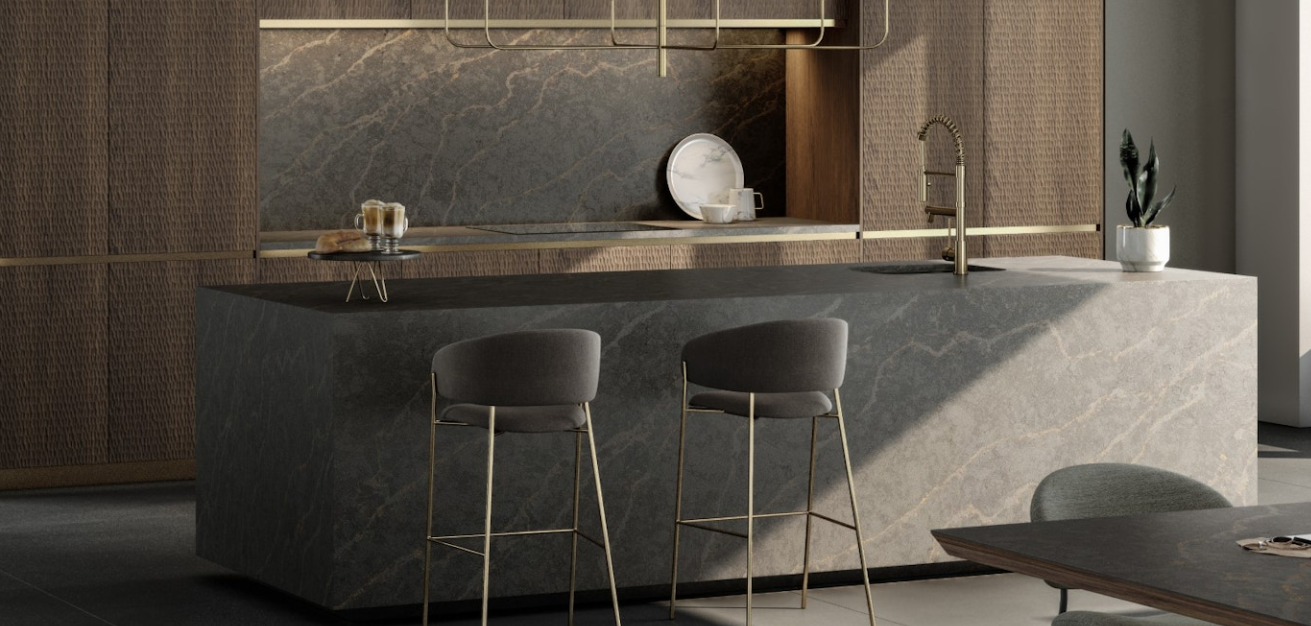
Cosentino's mineral low-silica surface - deep colour, full body veining and large format slabs, templated and fitted by our own team across Scotland.
Worktops & surfaces
Cosentino's mineral low-silica surface - deep colour, full body veining and large format slabs, templated and fitted by our own team across Scotland.
Silestone has been in kitchens for more than 30 years and is made by Cosentino in Spain. Its composition of premium minerals and recycled material gives it the depth of colour of natural stone with the consistency, low porosity and easy care of an engineered surface.
Since 2023 every Silestone colour is made with HybriQ+ - a mineral low-silica composition. Most colours hold a maximum of 40 per cent crystalline silica, and the Silestone XM range a maximum of 10 per cent.
Silestone worktops carry a 25 year manufacturer warranty when supplied and fitted by an approved fabricator, which is how we handle every top.
High resistance to impacts, scratches and staining from oil, wine and household acids, plus thermal shock up to 180C - a trivet is still recommended for pans straight off the hob.
Veins run right through the thickness of the slab, so mitred edges, drainer grooves and recesses reveal continuous pattern rather than a cut line.
Slabs up to 1,570 x 3,250mm mean fewer joints across long runs and big islands, with near-zero porosity for an easily cleaned, hygienic surface.
A minimum 20 per cent recycled material content, 99 per cent reused water and 100 per cent renewable electricity in manufacture.
A selection of the Silestone palette below, grouped by series - from the veined Suma and Eternal collections to softer Le Chic tones and the plain Basiq and Mythology solids.
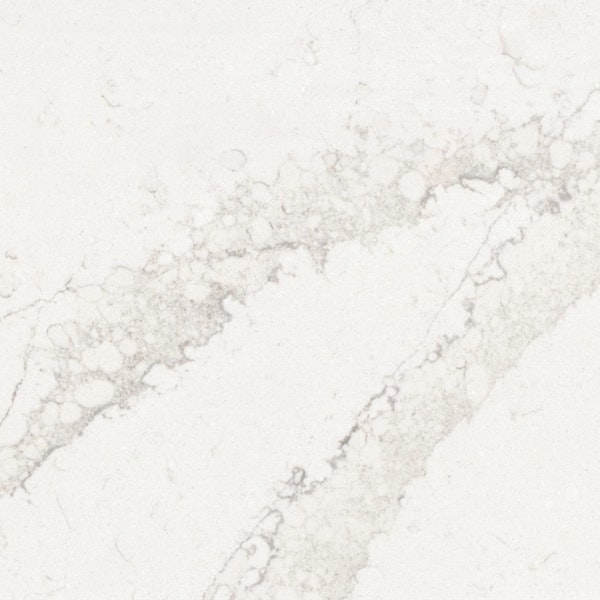
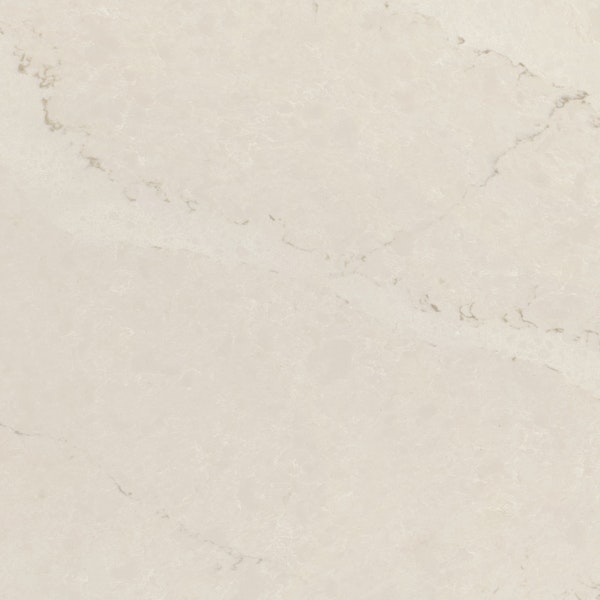
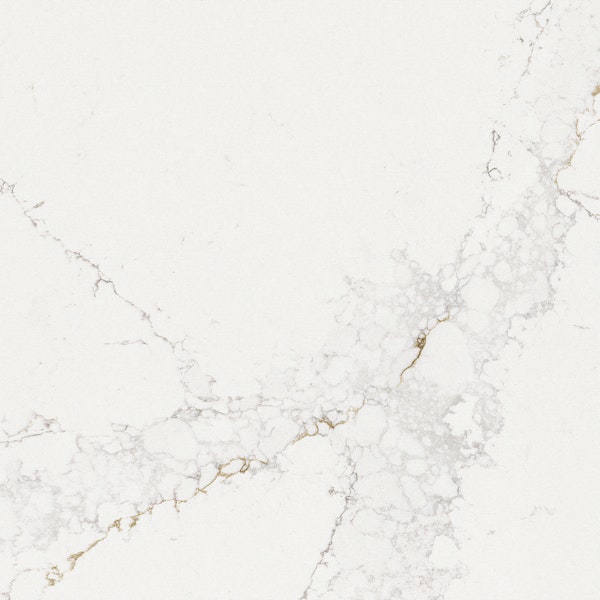

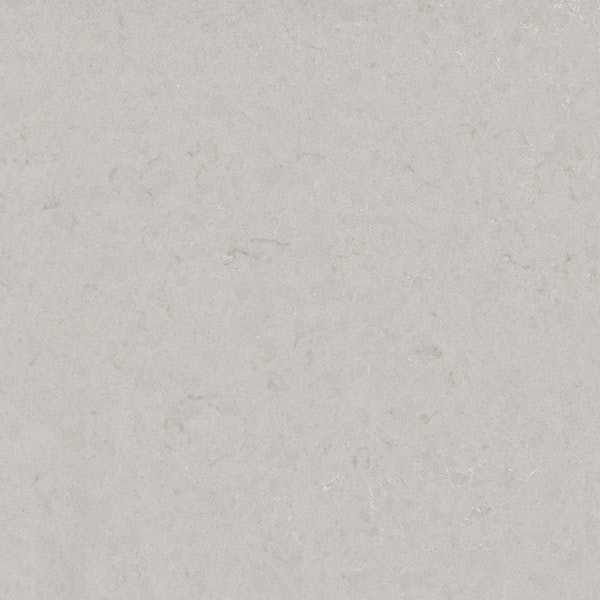
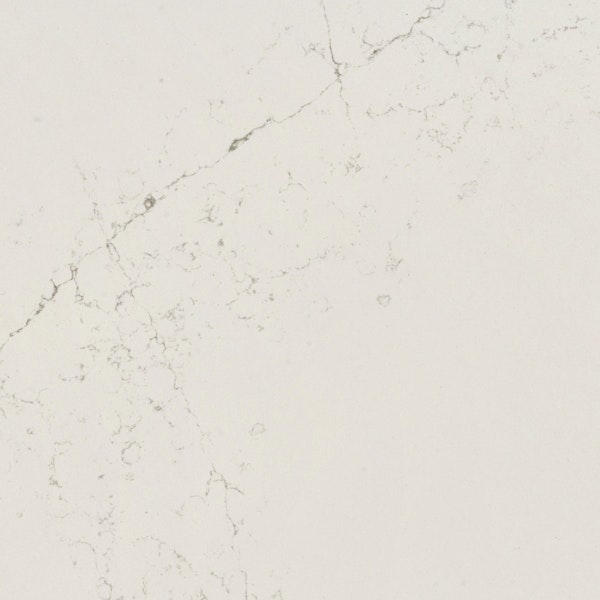
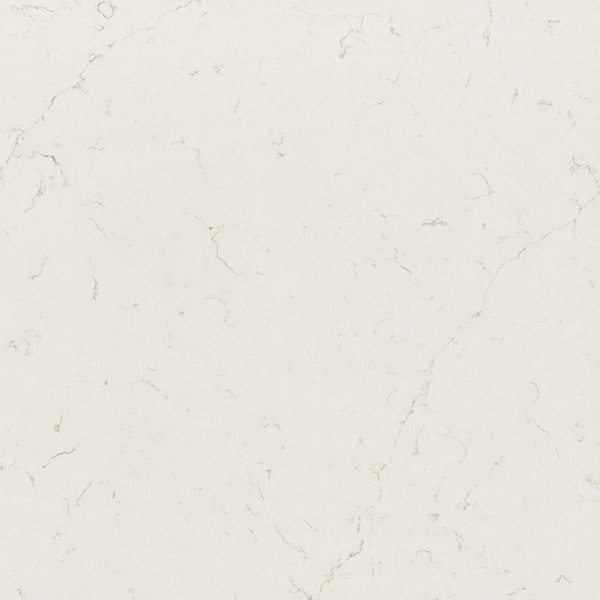
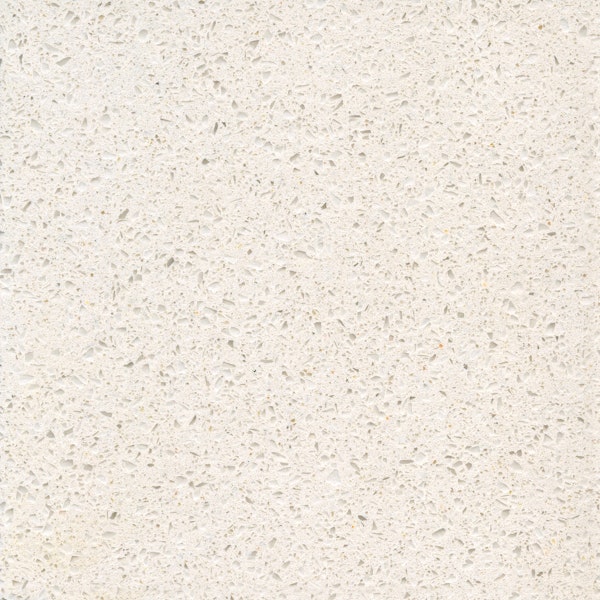
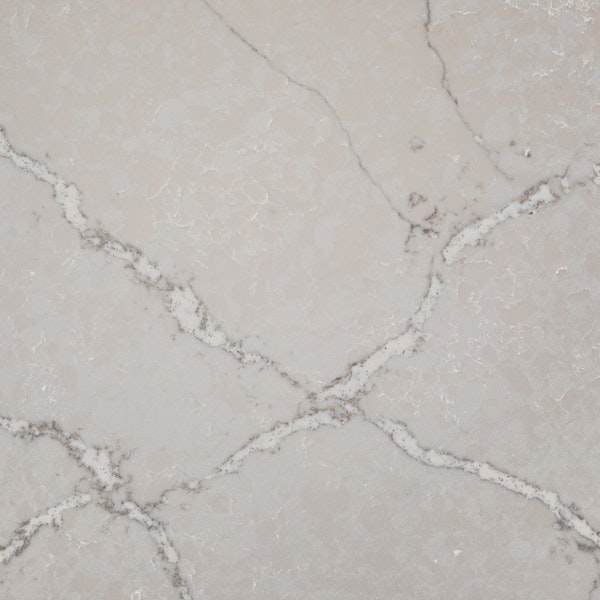
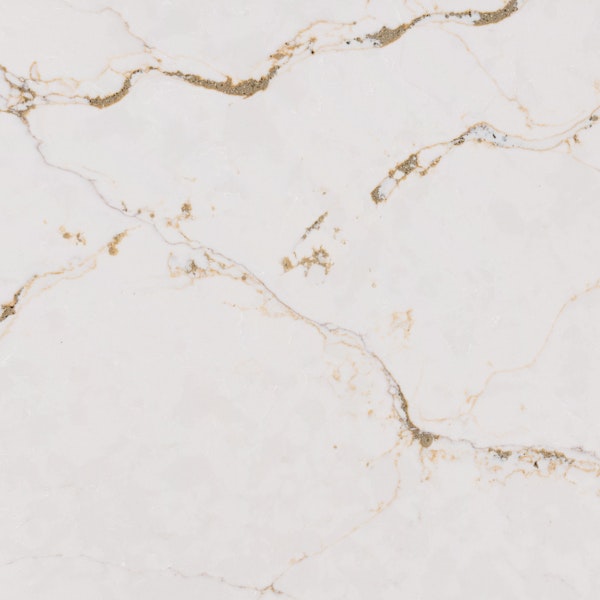
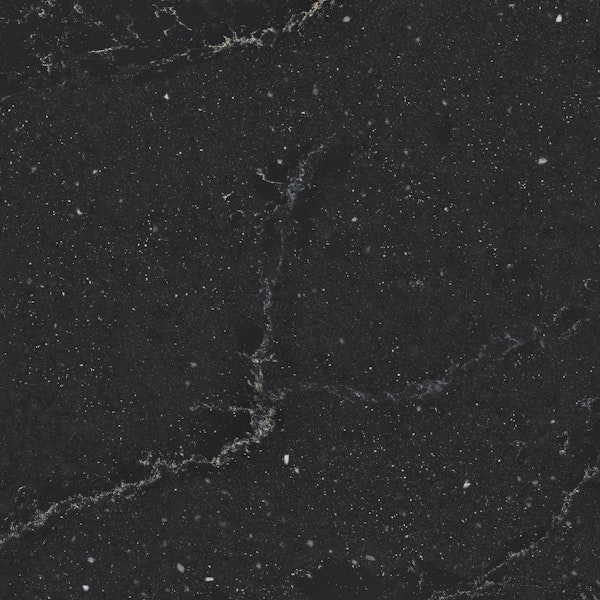
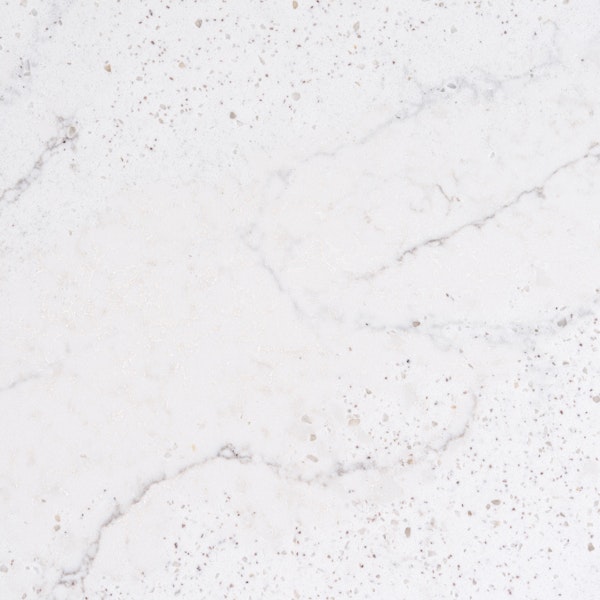
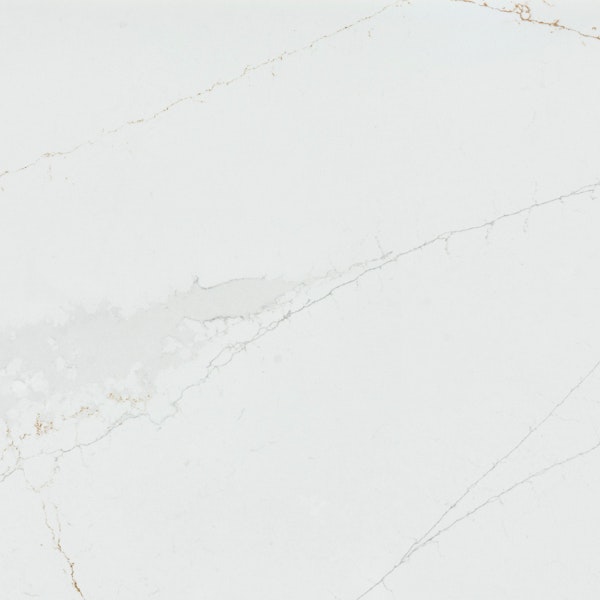
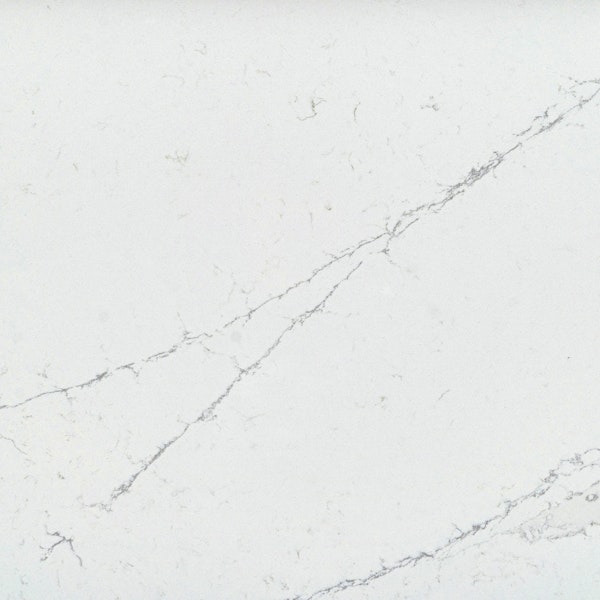
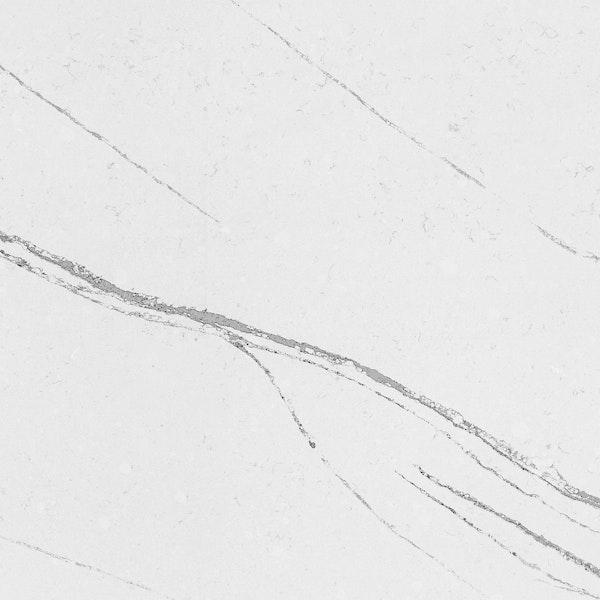
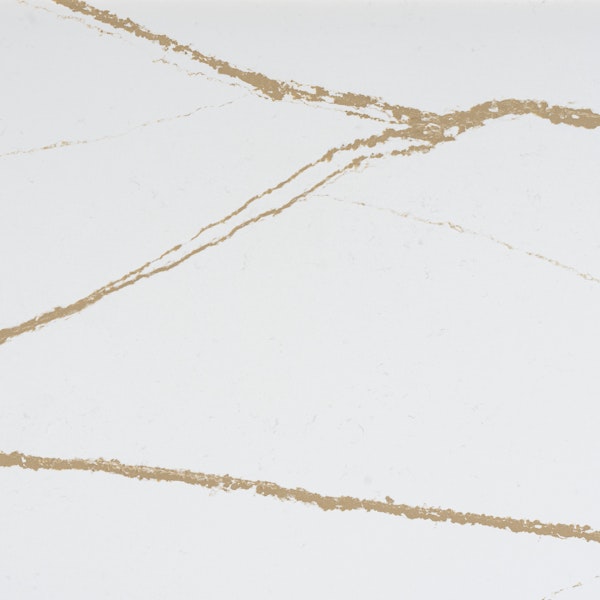
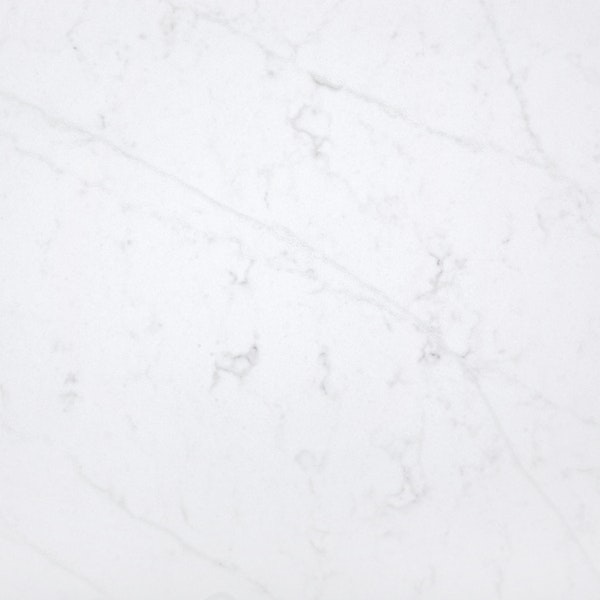
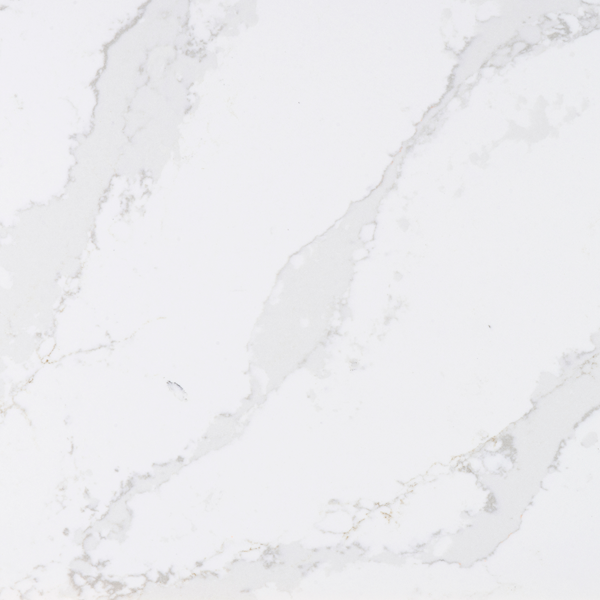
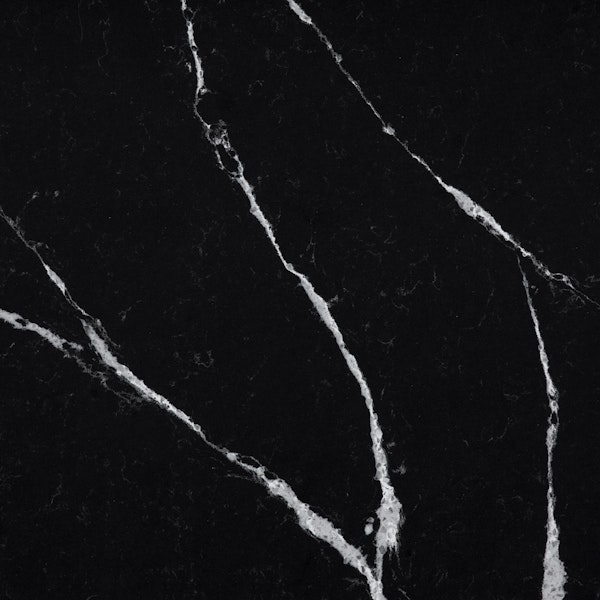
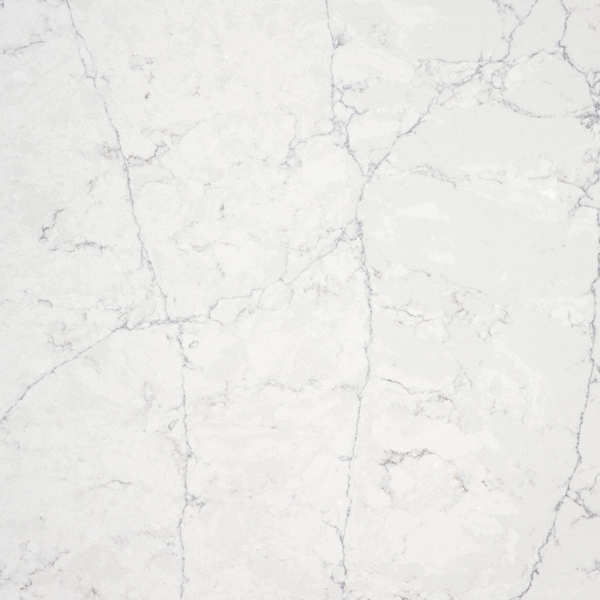
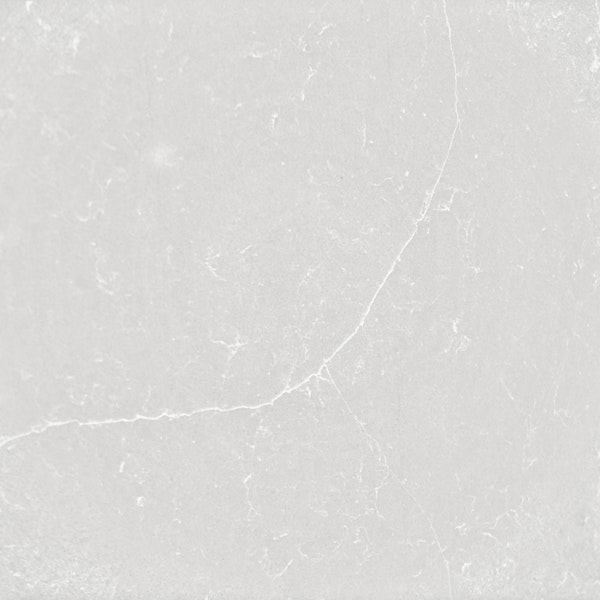
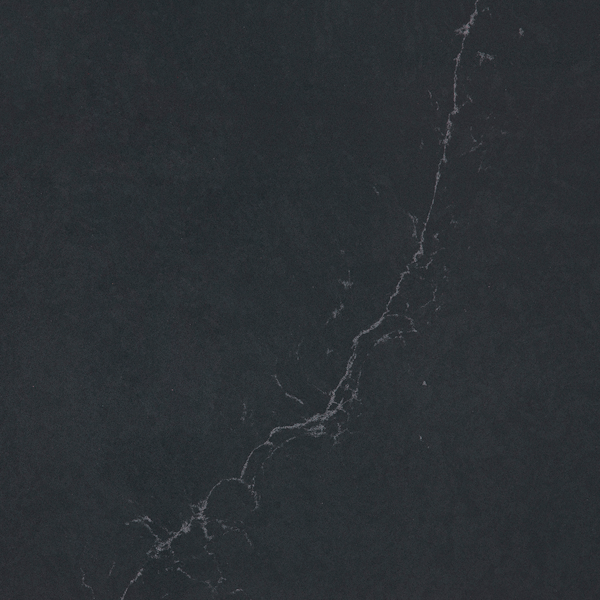
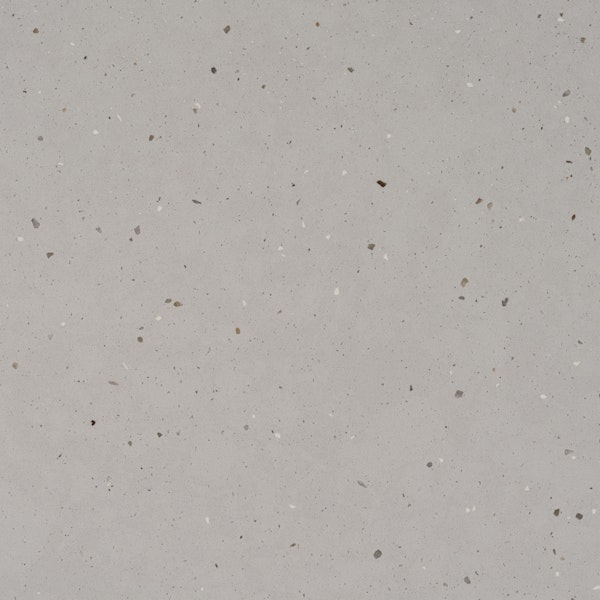
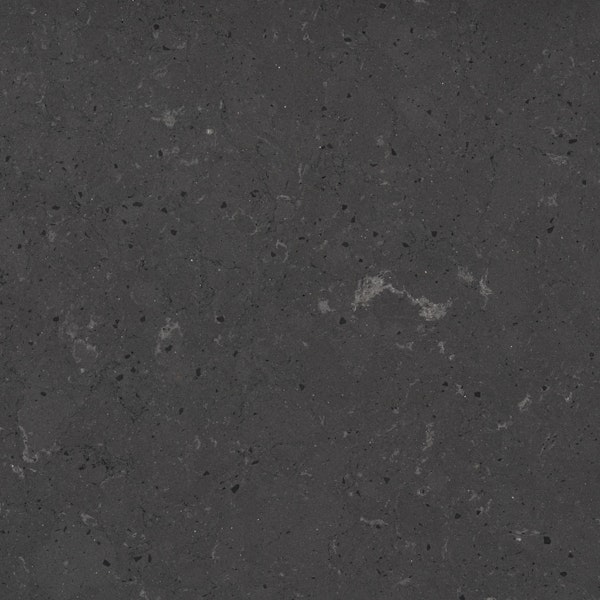
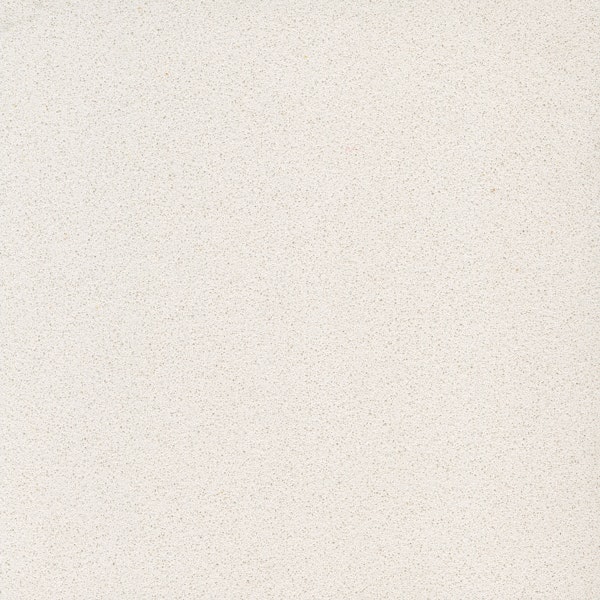


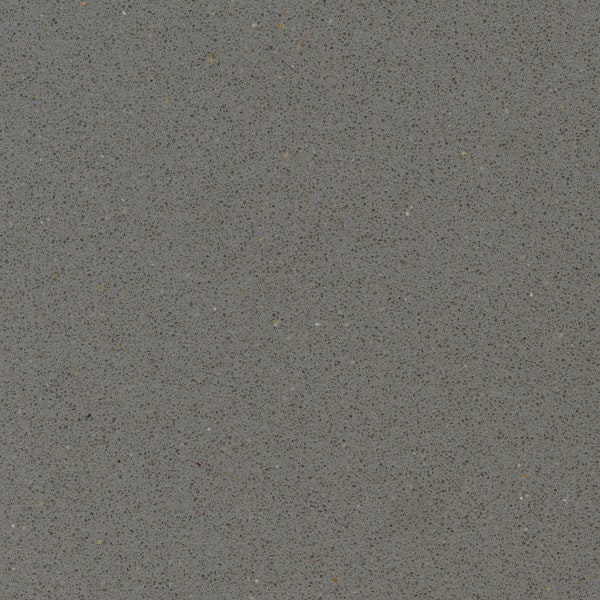
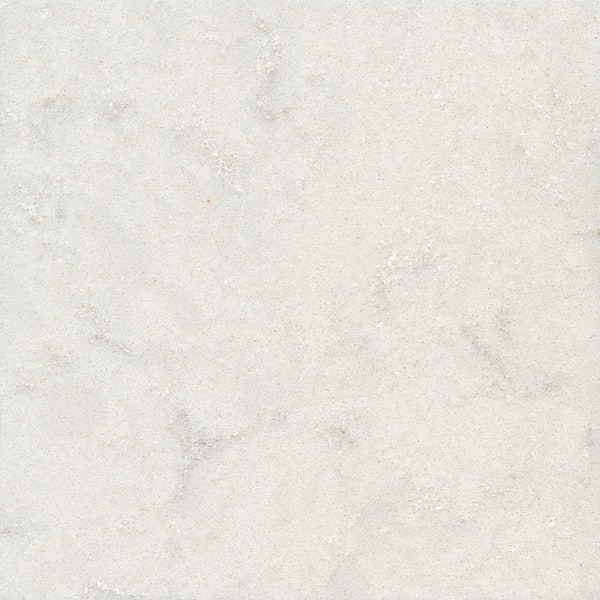
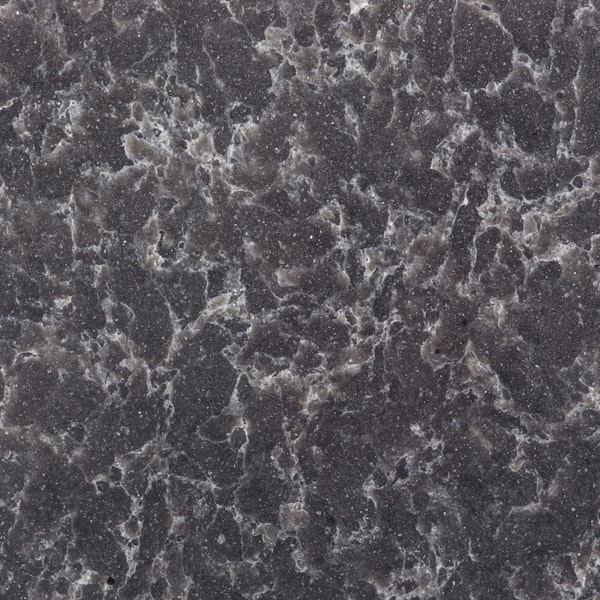
The full Cosentino portfolio runs well beyond this selection - tell us the look you are after and we will bring samples to your design appointment.
Day to day care is simply warm soapy water - no sealing and no annual treatment.
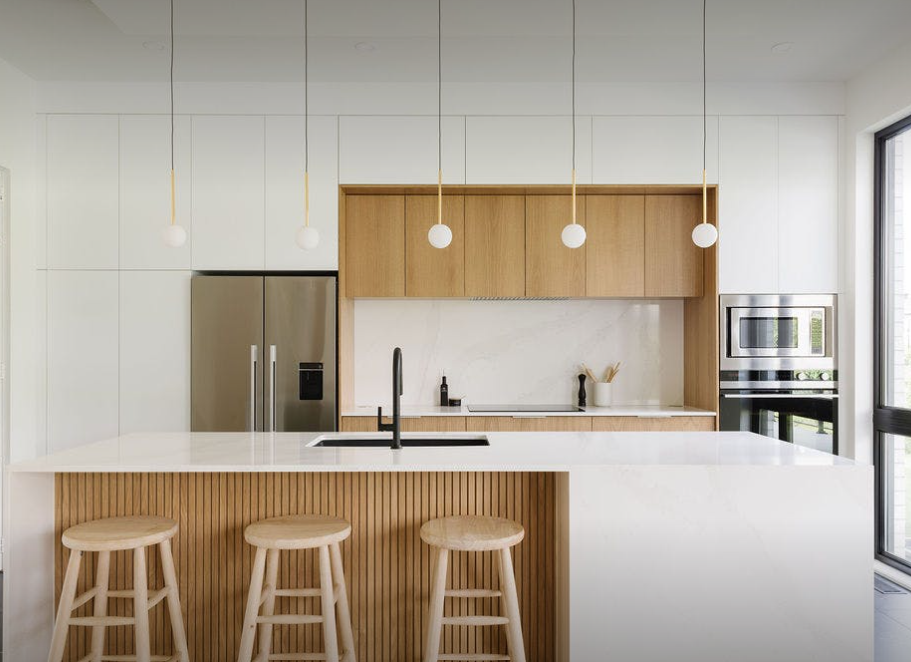
Silestone is priced by colour series, total slab area and fabrication detail rather than a flat rate per metre. It generally sits above laminate and solid surface and in the same territory as granite and Dekton. Mitred edges, island overhangs, integrated drainers and matching upstands are what move the figure, so we price each kitchen from your plans.
It is not as heat resistant as Dekton or sintered stone - always use a trivet for pans straight off the hob - and prolonged direct sunlight is not ideal for indoor colours used outside. It also cannot be repaired invisibly the way Corian can. For most indoor kitchens those trade-offs are easily managed.
Silestone gives a harder, stone-like surface with deeper veining and a more premium look. Corian is warmer to the touch, allows seamless joints and integrated sinks, and can be sanded back if it is damaged. We keep samples of both in the Edinburgh showroom so you can compare them against your door finish.
Silestone started life as a quartz composite, but since 2023 the whole range is produced with HybriQ+ technology as a mineral low-silica surface. It behaves like a premium quartz in the kitchen while carrying far less crystalline silica.
Dekton is sintered stone, harder again and fully UV stable, so it also suits outdoor kitchens and cladding. Silestone offers deeper colour, softer veining and the widest palette for indoor worktops and islands. We will show you both in the showroom against your door finish.
Silestone resists thermal shock up to 180C, but pans straight off a hob or out of an oven exceed that, so always use a trivet or heat pad.
Yes. Tops are templated once the cabinetry is installed, fabricated by our approved partner and fitted by our own team anywhere in Scotland - including undermounted sinks, flush hob cut-outs and matching upstands.
Send us your plans or rough dimensions and we will price a Silestone specification for your kitchen, including sink, hob and upstand details.